Raising the Economic Standard of Women in Ashti Camp
In a displacement camp on the edge of Sulaymaniyah, a year-long project gave women something quietly radical: a skill of their own, a small income, and the confidence to believe both were theirs by right.
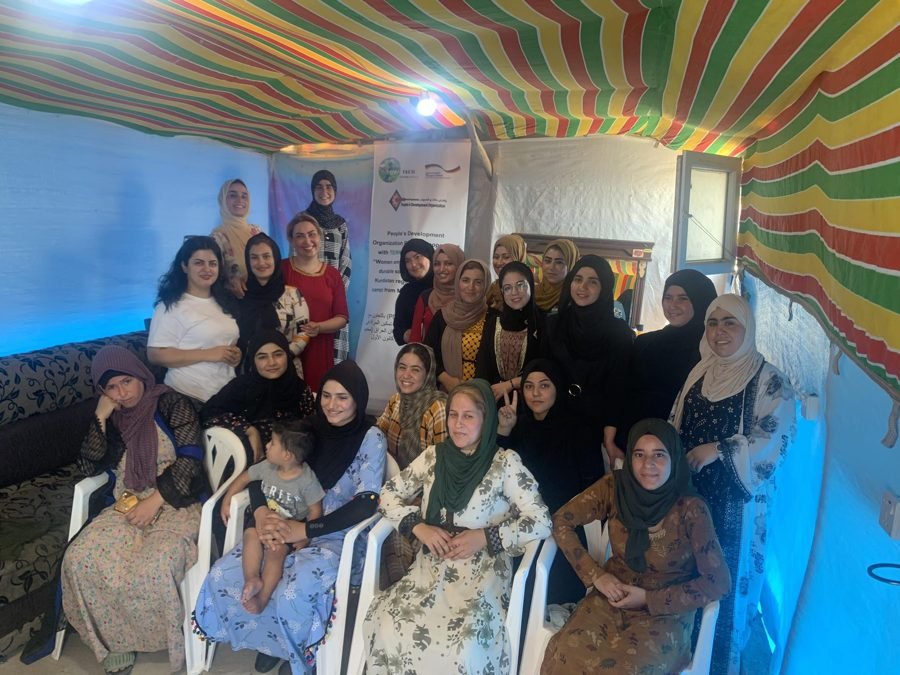
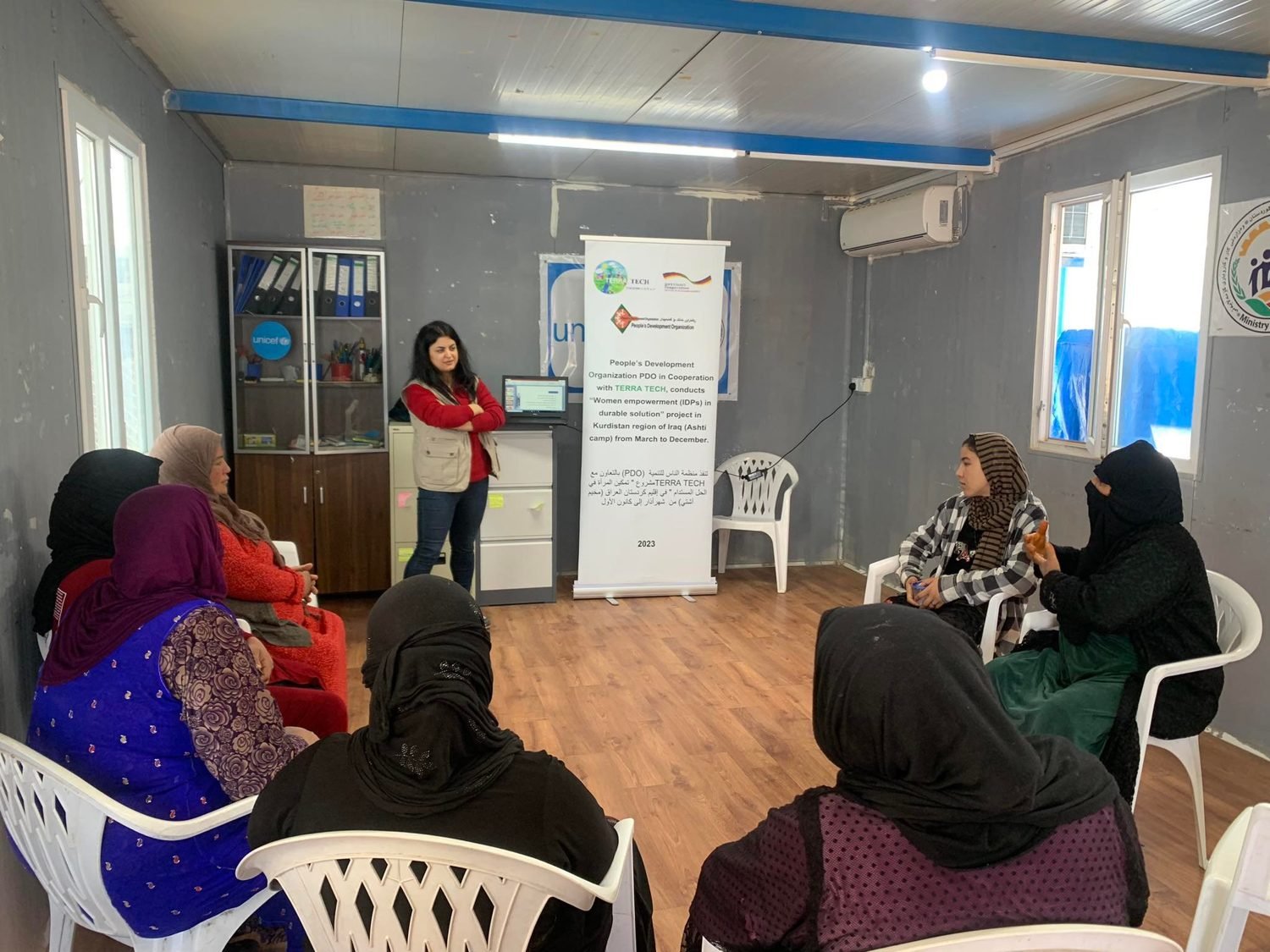
From 1 March to 31 December 2023, PDO ran a livelihood project in Arbat’s Ashti Camp under the banner “Women Empowerment (IDPs) in Durable Solution.” Delivered in cooperation with the German organization TERRA TECH, it was designed for women who had been displaced from their homes and were rebuilding their lives inside the camp. From the start it was warmly received — the result of a careful design and a genuinely useful mix of services rather than a single one-off activity.
Who took partReaching the women who needed it most
Selecting participants was not left to chance. It grew directly out of PDO’s long-standing presence in displacement camps, where staff already knew the communities and their needs. Clear criteria were used to identify the women and families facing the greatest hardship, so the support reached those for whom it would matter most.
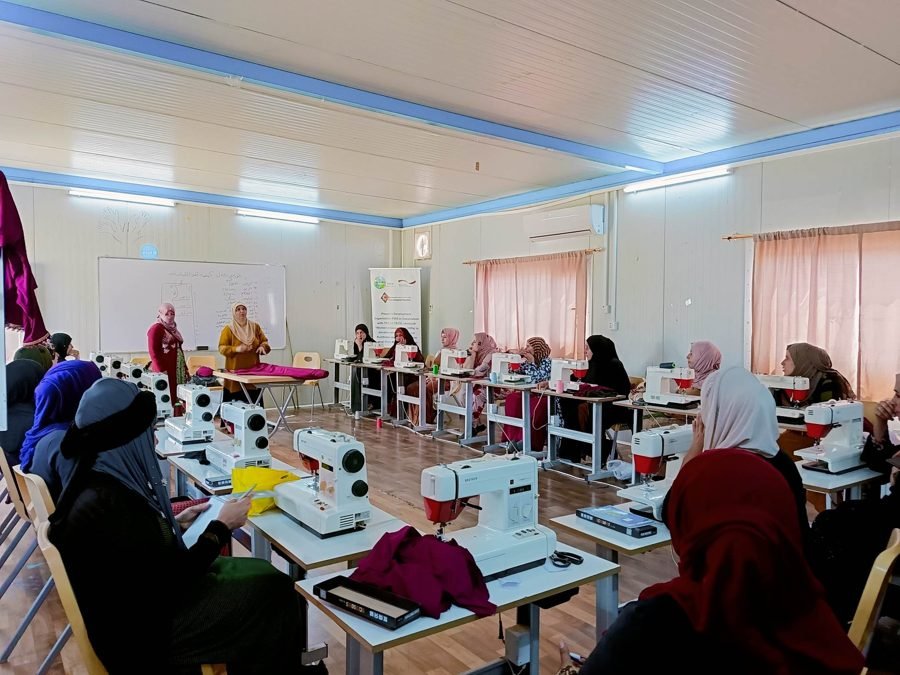
Forty-four women were enrolled in hands-on vocational training — in tailoring and in beauty-salon skills — two trades that can be practised from home or turned into a small business, and that hold real demand inside and around the camp.
Inside the trainingSewing machines, scissors, and a room of their own
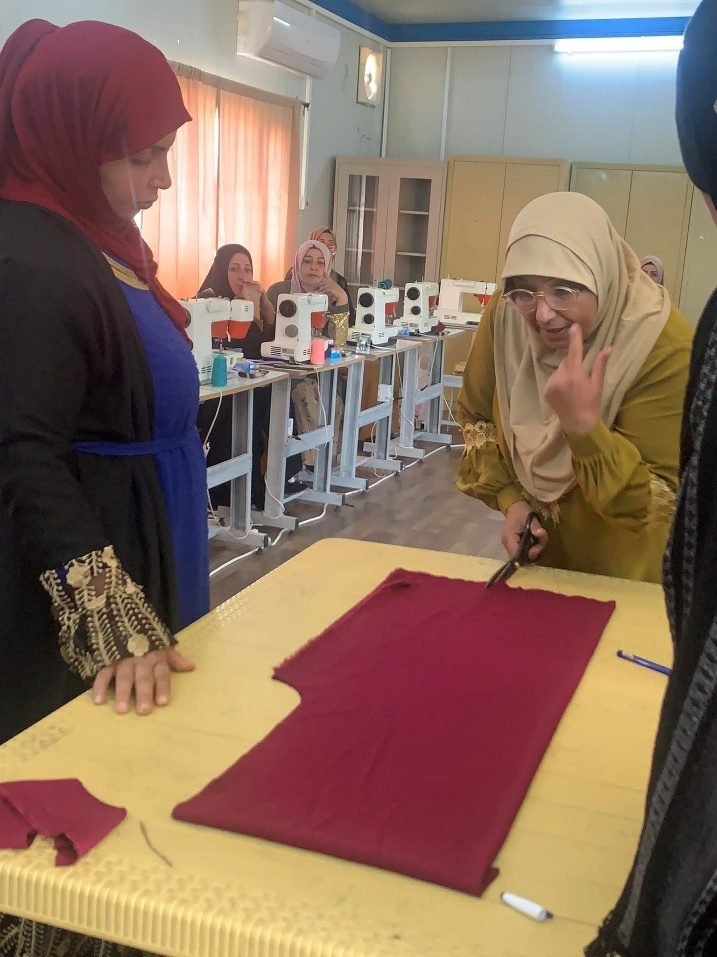
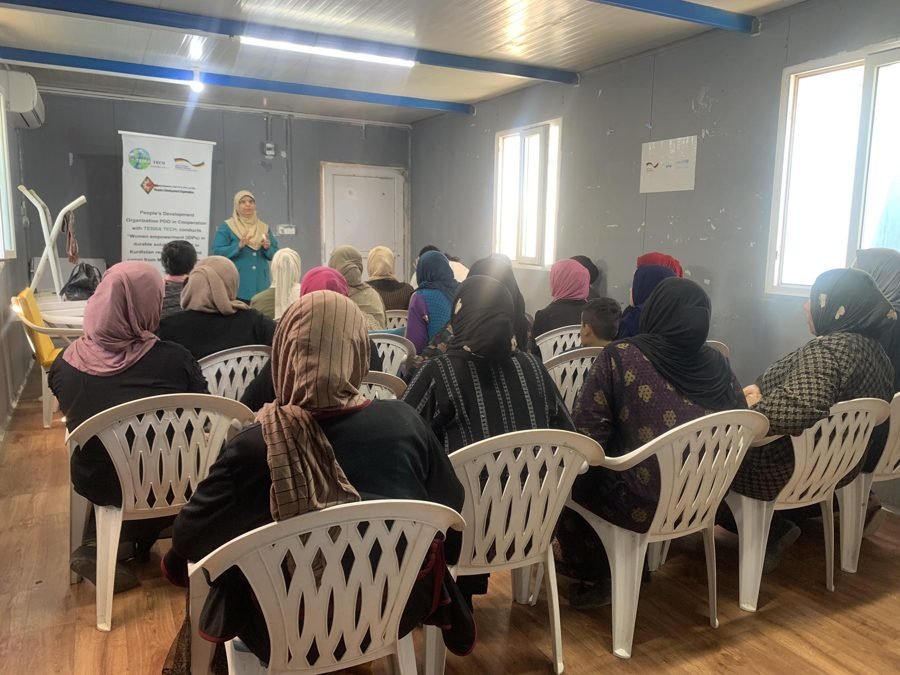
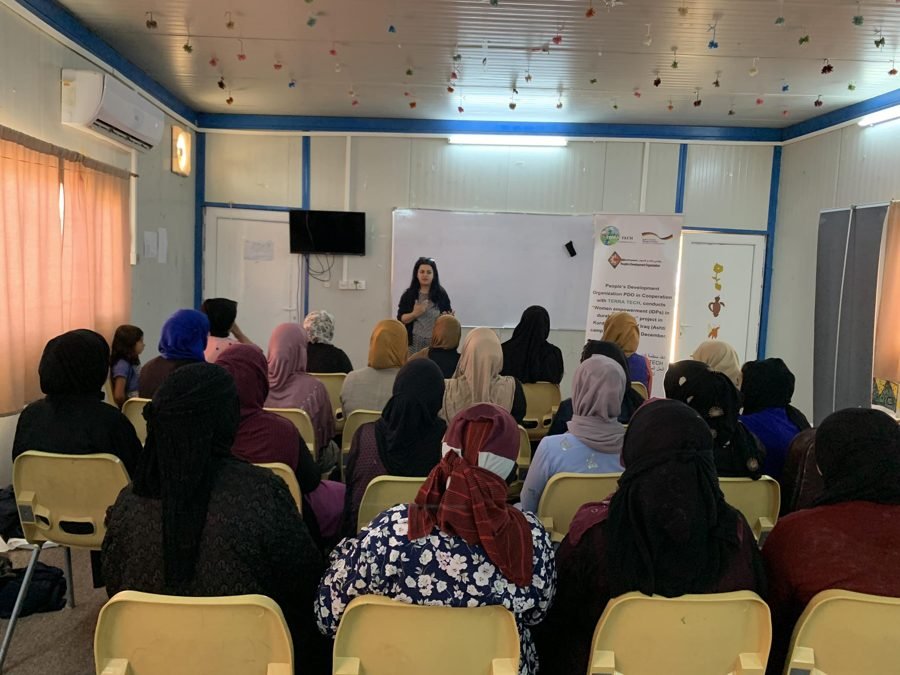
The tailoring course filled a camp classroom with rows of sewing machines, each station set for a participant, while an instructor worked through patterns and techniques at the whiteboard. Alongside the practical sessions, the project ran awareness meetings that brought women together around its wider services — part of what made it feel like more than a course.
What changedFrom a new skill to a new sense of self
For many of the women, this was a first real step into learning a trade and gaining work experience — and just as importantly, a reason to step outside the home, share what they knew, and support one another. The project’s effect reached a large number of displaced women in a remarkably short time.
Beyond the practical skills, something shifted in how the participants saw themselves. Women came to believe they could work outside the home and become economically independent — for themselves and for their families. Paid work and learning a new craft stopped feeling like a luxury and started feeling like a right.
It became something the women claimed for themselves: the right to their own work, and to learn something new.
Looking aheadSuccess stories, and a path that keeps going
By the project’s close, a number of the women had real success stories to tell, and many had found their own routes toward continued growth — carrying the skills, and the confidence, well past the end of the program.